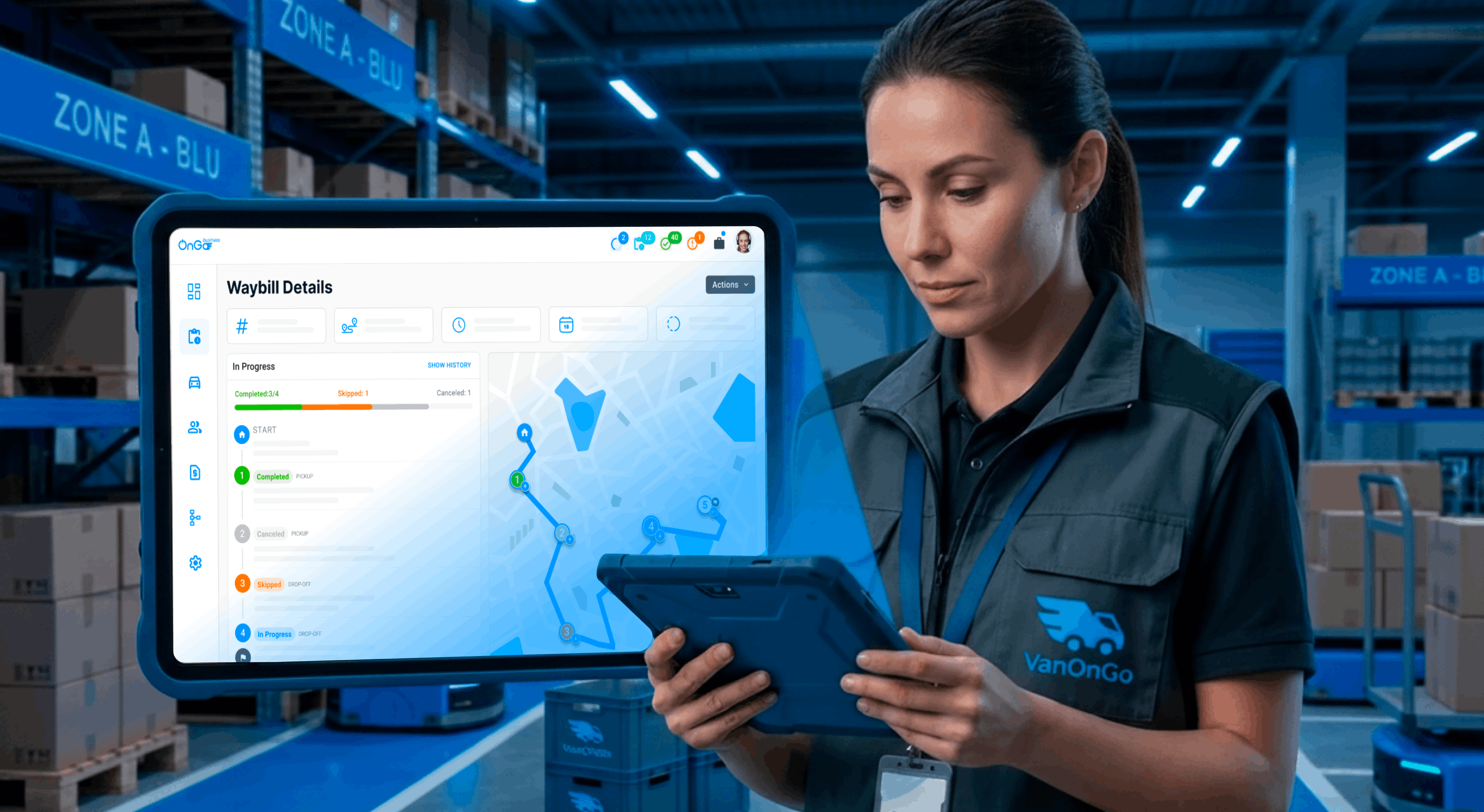
What is OnGo fleet?

OnGo Fleet is an advanced B2B SaaS platform for logistics and field service management. Unlike typical route optimization tools, we fully automate the entire delivery journey — from order placement to post-delivery feedback — using AI, quantum-inspired algorithms, and Robotic Process Automation (RPA). OnGo Fleet is an advanced B2B SaaS platform for logistics and field service management. Unlike typical route optimization tools, we fully automate the entire delivery journey — from order placement to post-delivery feedback — using AI, quantum-inspired algorithms, and Robotic Process Automation (RPA).OnGo Fleet is an advanced B2B SaaS platform for logistics and field service management. Unlike typical route optimization tools, we fully automate the entire delivery journey — from order placement to post-delivery feedback — using AI, quantum-inspired algorithms, and Robotic Process Automation (RPA).
We do not run our own fleet. How are transport orders distributed between our carriers?
Assignment is automatic and rule-based. You define which carriers may serve which warehouses, regions or vehicle classes, and the share of volume each carrier is entitled to over a period. The platform assigns every transport order within those rules and keeps the running balance per carrier, so the agreed spread holds over the month rather than only on a single day. Each assignment is recorded with the rule that produced it, which is what you show a carrier that asks why it received the volume it did.
Our stores accept goods only in fixed windows, and some cannot take large vehicles. Can that be planned?
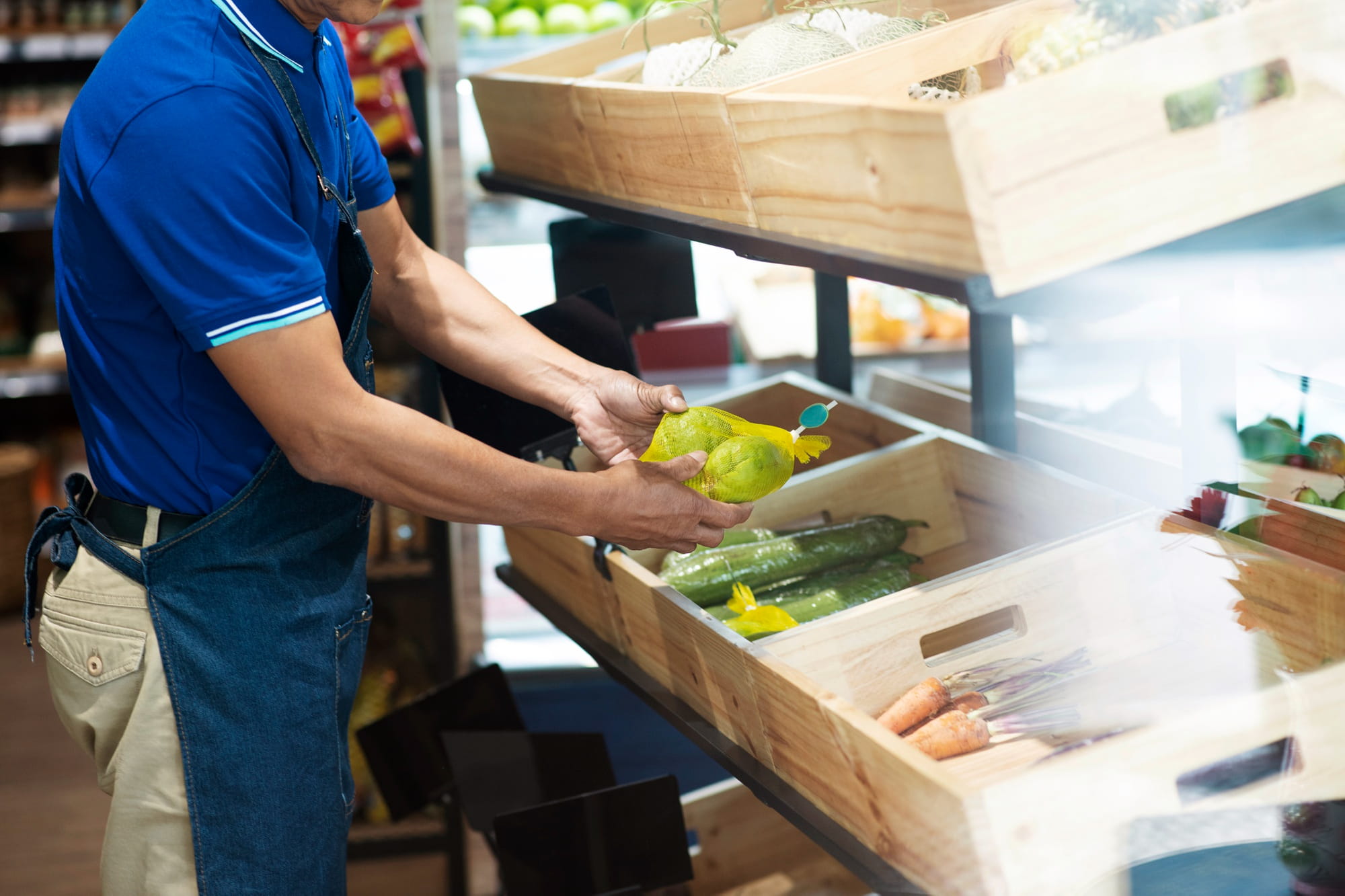
Yes. Goods-receiving windows, dock capacity, service time and the vehicle types a store can physically accept are held per store and used as hard constraints during optimisation. A route that would arrive outside a window or send an unsuitable vehicle to a store is not produced at all. When something changes at a store, you change it once and the next planning run applies it everywhere.
How is the cold chain handled on chilled and frozen replenishment?
Temperature-controlled orders are assigned only to equipped vehicles, and temperature is measured during the trip rather than read from a logger afterwards. A breach raises an alert to the dispatcher while the vehicle is still on the road, so the load can be redirected or the store warned. Every trip keeps a temperature log that your quality team can use as evidence.
Can we compare distribution plans before we commit to one?
Yes. Scenario simulation runs the optimiser on a set of assumptions you choose — a different delivery-day pattern, another vehicle mix, an added or closed store, a changed carrier tariff — and returns the mileage, vehicle count and cost each variant would take. You compare the variants side by side and release the one you decide on; nothing is applied to the live plan until you do.
What can we see afterwards about how the plan was actually executed?
Every trip is recorded against its plan at the level of the individual vehicle — planned versus actual departure, arrival at each store, service time, mileage and stop sequence, with deviations flagged. The same data rolls up by route, by warehouse and by carrier, so carrier performance and store-side delays are visible without anyone reconciling driver paperwork by hand.
Can a store confirm the delivery and tell us about problems or returnable packaging?
Yes. Each receiving store gets a channel of its own: it sees the current arrival forecast, confirms the delivery when it is received, reports a quality problem with photos attached to that specific delivery, and declares the returnable packaging and tare due back to the warehouse. The declared quantities feed the next planning run, so the return leg is planned instead of improvised at the dock.
How does the platform connect to our WMS or ERP?
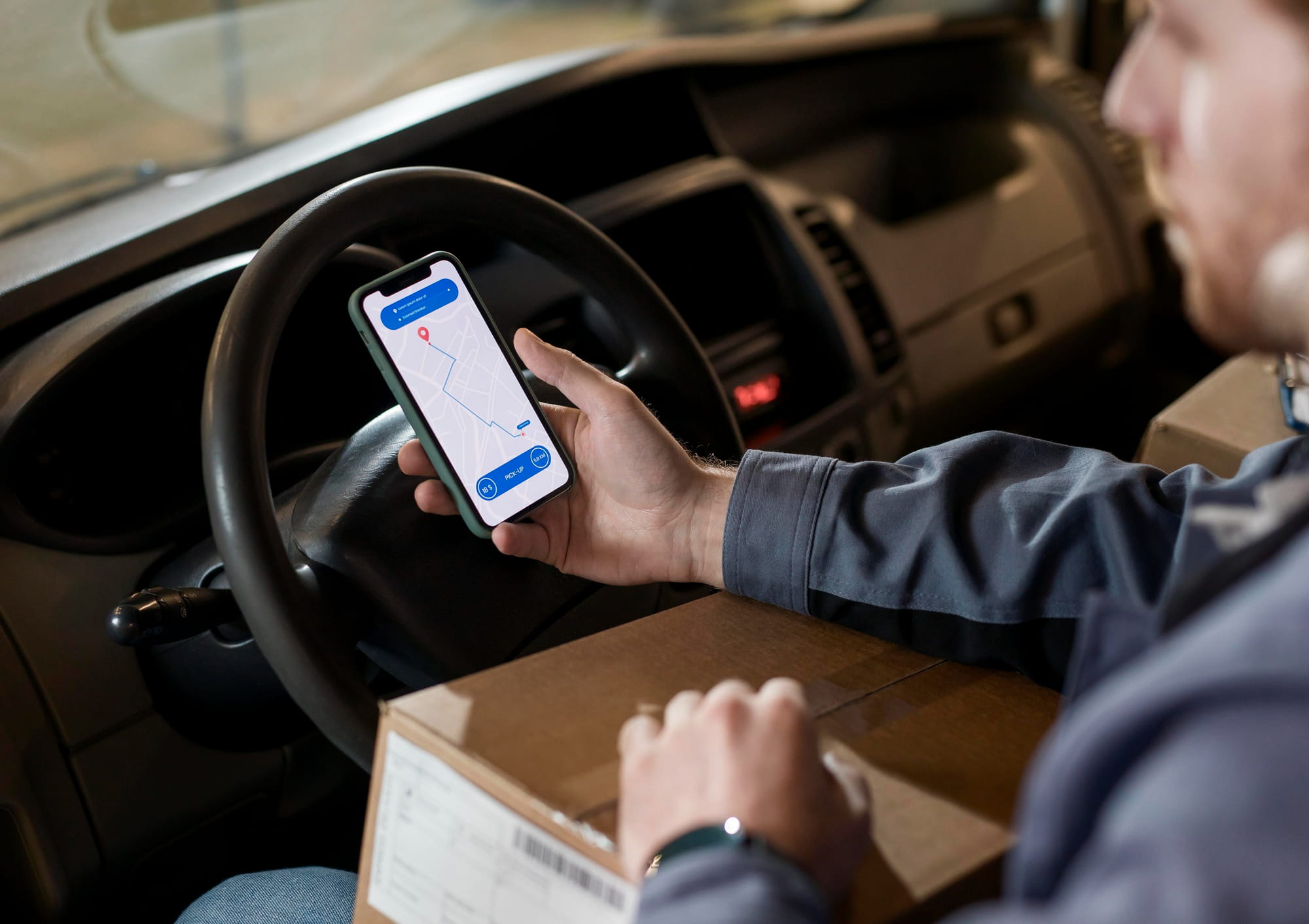
Through an open API. Your WMS or ERP sends the transport orders, the store master data with its receiving constraints, and the load characteristics; the platform returns the plan, the carrier assignment, live vehicle positions, arrival forecasts, delivery confirmations and the plan-versus-actual data. Most distribution operations are integrated and running live routes within 2 to 4 weeks, depending on the state of the store master data.